
 Jan 30,2026
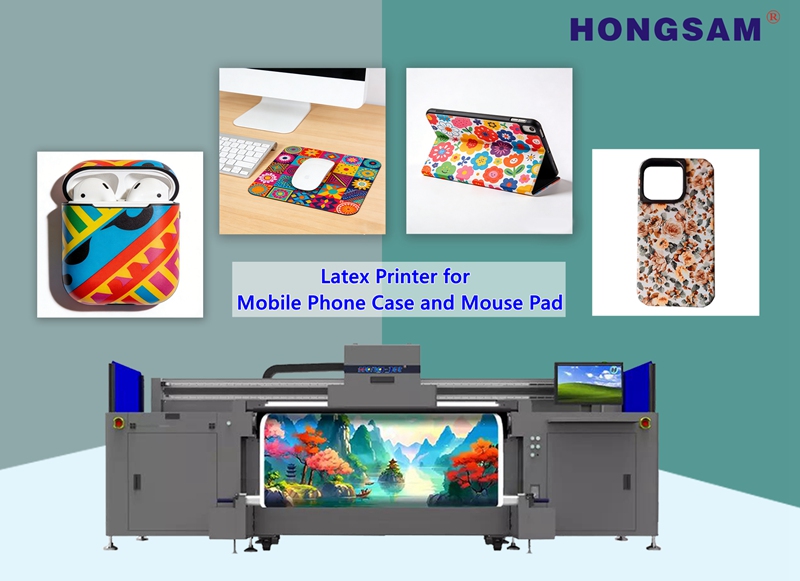
We are living in an era that people can’t leave their cellphones, and phone protection cases serves as their standard everyday-carry. Global sales of personalized protection cases have surpassed over 180 million pieces, along with explosive growth of POD personalization industry. In 2026, global protection case sales could reach 2.1 billion pieces, 56.64% market share of which belongs to Silicone cases. They become mainstream choice because of the long lifespans and their stain & slip resistant property. Yet you may neglect a critical problem when pursuing unique designs – hidden safety peril in phone case printing processes.
Most printed phone cases on the market depend on traditional UV printing technology. They have rough surfaces and stiff coatings, which not only bring cheap touch, but also lurking pungent odor and health risk. UV ink contains soluble heavy metals such as Lead and Mercury, and other harmful ingredients like Polybrominated diphenyl ethers (PBDEs), while long term contact of which may irritate the skin. Final products cannot even pass environmental tests like Europe RoHS or REACH. It undermines company’s expansion to global markets.
Yet the emergence of latex ink printing technology is overturning industrial of phone case personalization – it solves the problem of printing on materials like silicone and leather. Moreover, the technology integrates safety, quality and eco-protection into every graphic details. This is exactly the “one more thing” we want to tell.
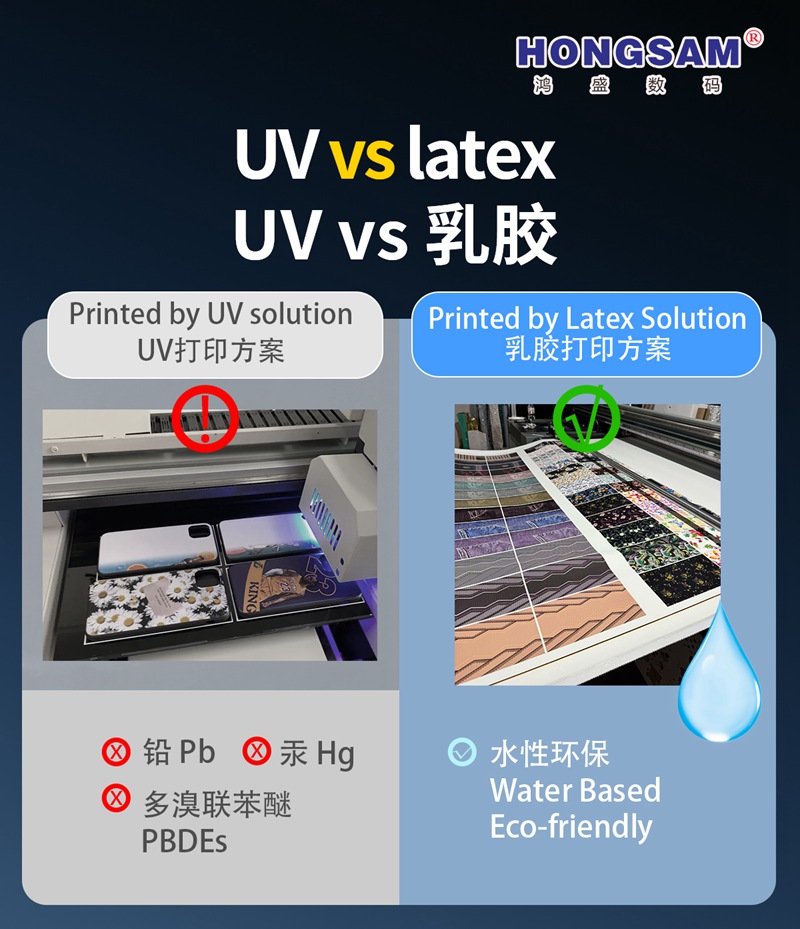
The latex ink achieves a breakthrough industrial process focusing on silicone cases. Mainstream silicone cases are in pure colors, which is difficult to fit traditional printing process, whereas the latex ink layer can tightly fuse with silicone substrate. It reserves slip resistant property of silicone, also presenting high-definition and vivid personalized colors. The products resist of bending and scratching, remain color fastness and do not crack during daily usages. It formally eliminates the pain point that printing process would destroy texture feeling.
The latex ink also serves as a “protector of texture feeling” for leather cellphone cases, including genuine leather and PU leather. Water-based ink droplets would penetrate along the leather texture and pores. No thick glue layer formed after low-temperature curing. The soft touch and unique texture of the leather remain intact, for there is no foreign sensations when touched. More importantly, the ink is free from harmful residues such as heavy metals or formaldehyde. Evaporate no VOCs while curing. No irritation to the skin even after long-term personal contact, so that it is friendly to those with reactive skins.
The core competitiveness of latex ink is not limited to phone cases industry. It covers all leather accessories for electronics: protection cases from earphones to tablet computers. It always persists in safety priority and meets environmental inspection standards, making products break into global high-end market more easily. Meanwhile, it insists on lossless texture idea, perfectly maintains original textures of materials, bringing a balance of personalization and user experience. Furthermore, the ink is compatible with various of materials like injection molding, silicone, leather, etc., by its broad compatibility, which show ability of a significant cost-down on mass production.
Phone case printing is not only about graphics – safety, texture feeling and market competitiveness is your better choice. Latex ink printing respond to every demand with technological innovation, allowing for uncompromising expression of individuality, and enabling quality products to win a broader future!
Consult


+86 19036977269
+86 19036977269